Stress in the Body — Why It Stays and How to Release It
Stress in the body is not just “in your head.”
Your body remembers every worry, every rush, every unresolved emotion.
Over time, that stress can get stored in your muscles, joints, breathing patterns, and even in your digestion and sleep. The good news is this: once you learn to recognize stress in the body, you can start to release it in simple, practical ways.
What Does “Stress in the Body” Really Mean?
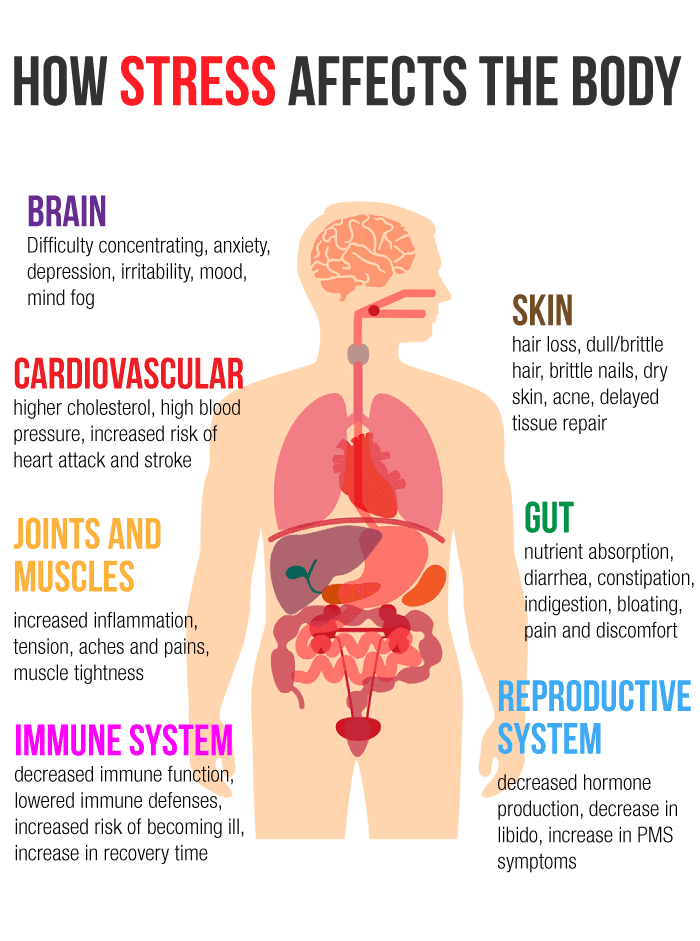
When we talk about stress in the body, we’re talking about the physical response your nervous system creates when it feels under pressure or in danger.
Your body can react to:
Work deadlines
Relationship conflicts
Financial worries
Health fears
Old emotional wounds
Even if the situation has passed, your body may still stay in “alert mode”, keeping muscles tight, breathing shallow, and hormones like cortisol elevated. This is how stress becomes chronic and gets “stuck” in the body.
Why Stress in the Body Stays Stored
Stress tends to stay in the body for three main reasons:
The stress response is activated too often
Emails, notifications, worries, news, overthinking… the brain receives constant “danger” signals and keeps the body tense and ready to react.The body never receives a clear “it’s safe now” message
If you move from one task to another without pausing, your nervous system doesn’t have time to switch from “fight or flight” to “rest and repair.”Unprocessed emotions stay in the nervous system
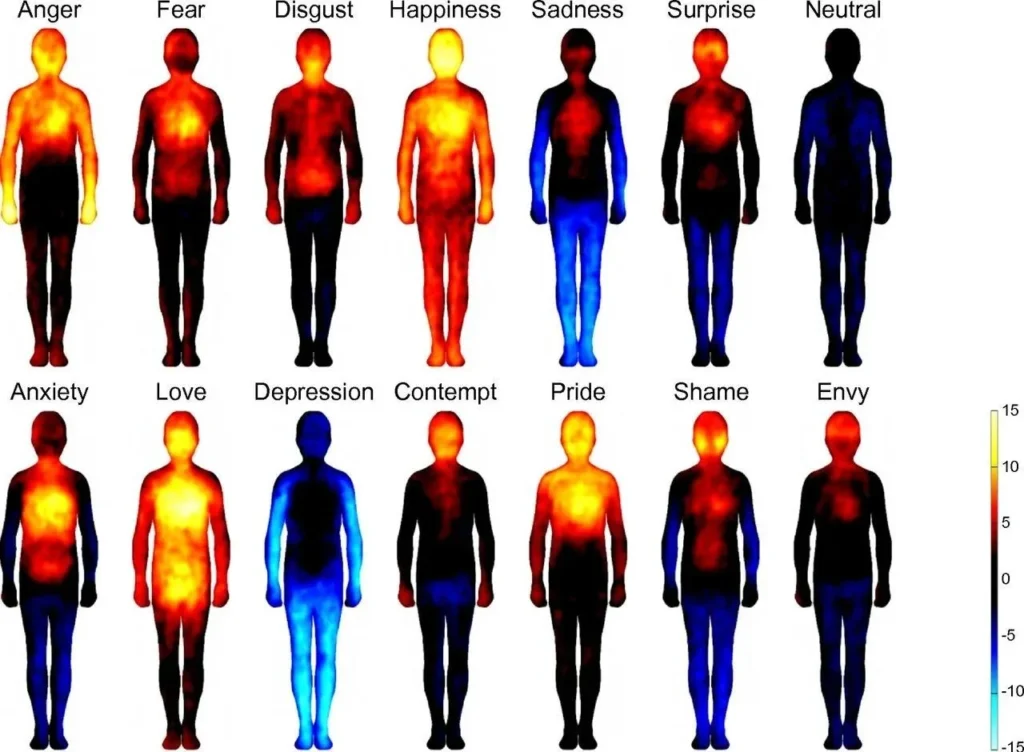
When you swallow your feelings, avoid difficult conversations, or always say “I’m fine” while you’re not, the energy of those emotions often shows up as:Tight shoulders or neck
Stomach knots
Headaches
Back pain
Exhaustion
Over time, this can become your “normal,” and you might forget how it feels to be truly relaxed.
Signs Stress in the Body Is Trapped
Everyone experiences stress differently, but some common signs that stress is stuck in your body include:
Constant tension in your neck, shoulders, or jaw
Tight chest or difficulty taking deep breaths
Frequent headaches or migraines
Digestive issues (bloating, stomach pain, constipation or diarrhea)
Trouble falling asleep or staying asleep
Feeling tired even after resting
Restlessness, feeling “on edge,” or unable to relax
Muscle twitches or a tendency to clench fists or grind teeth
Sensation of heaviness in the body or emotional numbness
If you recognize several of these signs, your body may be asking for a reset.
How to Release Stress in the Body
Releasing stress from the body is not about doing something complicated.
It’s about sending your nervous system a clear, consistent message: “You are safe now.”
Here are some simple ways to do that.
1. Breathe in a Way That Calms Your Nervous System
Fast, shallow breathing tells your body there is danger.
Slow, deep breathing tells your body it can relax.
Try this simple exercise once or twice a day:
Sit or lie down comfortably.
Place one hand on your chest and one on your belly.
Inhale slowly through your nose for a count of 4, feeling your belly rise.
Exhale gently through your mouth for a count of 6.
Repeat for 10–15 breaths.
This sends a powerful signal to your body: it’s okay to release tension.
2. Move Your Body to Move Your Emotions
Stress is energy. If you stay still all day, that energy has nowhere to go.
You don’t need intense workouts. Try:
A 10–15 minute walk in nature or around your neighborhood
Gentle stretching in the morning and before bed
Slow yoga or simple mobility exercises
Dancing to one song you love
The goal is not performance, but release: shaking off the stuck tension, moving your joints, and letting your muscles relax.
3. Listen to What Your Body Is Trying to Tell You
Instead of fighting the symptoms, you can ask:
What am I holding onto right now?
Where do I feel this in my body?
What emotion am I avoiding (fear, sadness, anger, guilt)?
Take a few minutes to notice sensations without judging them. Sometimes, just allowing yourself to feel can soften the intensity of stress in the body.
You can also write in a journal:
“Today my body feels…”
“I think this tension is related to…”
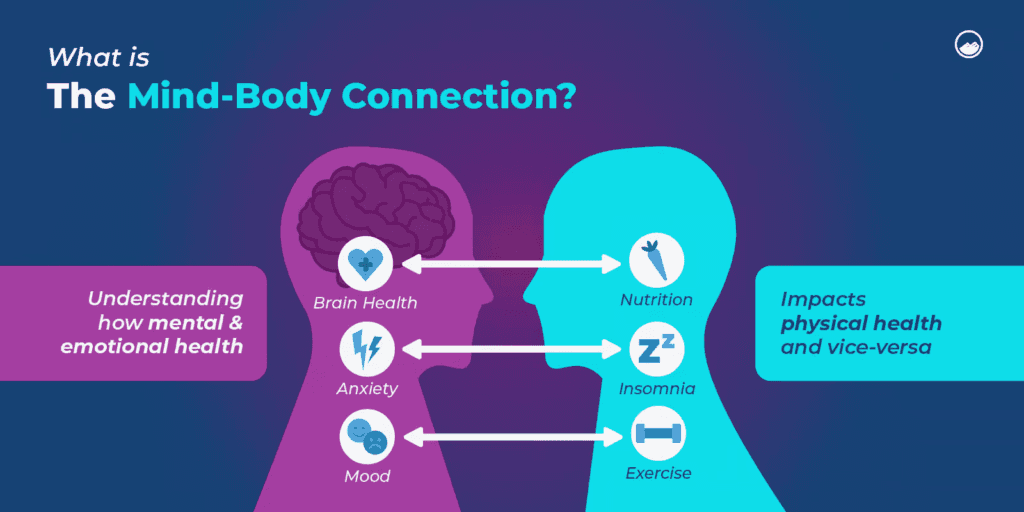
This creates a bridge between your mind, your emotions, and your body.
4. Create Micro-Moments of Safety in Your Day
Your nervous system loves small, consistent signals of safety. For example:
Drinking your tea or coffee slowly, without screens
Taking 3 deep breaths every time you change task
Putting one hand on your heart and saying: “In this moment, I am safe”
Turning off notifications for short periods of focused work
Going to bed at a similar time each night
These may look like small habits, but together they help your body shift from survival to rest and repair.
When to Seek Professional Support
If your stress has been present for a long time, or if you notice:
Strong anxiety or panic attacks
Deep sadness or emotional numbness
Physical pain that doesn’t improve
Difficulty carrying out your daily activities
it can be very helpful to seek support from:
A mental health professional
A doctor or holistic health practitioner
A body-based therapist (physiotherapist, massage therapist, or similar)
Asking for help is not a sign of weakness. It is a sign that you are taking your well-being seriously.
Final Thoughts: Your Body Wants to Heal
Stress in the body is not a failure.
It is a sign that your nervous system has been working too hard for too long.
The beautiful part is that your body is designed to heal when you give it the right conditions:
breath, movement, rest, honest emotions, and small daily choices that say:
“I choose calm. I choose balance. I choose to listen to my body.”
Each small step you take to release stress from your body is also a step toward a more peaceful, confident, and aligned version of yourself.
Want to Go Deeper? Ready to Reduce Stress and Restore Balance?
If you’re looking for simple, powerful techniques to release tension from the body and relax your mind, explore our complete guide below.